Introduction: Why Amorphous Powder Matters in Modern Industry
Amorphous powder has emerged as a critical material in sectors such as aerospace, biomedical, electronics, and additive manufacturing. Unlike crystalline powders, amorphous powders exhibit a disordered atomic structure, leading to unique properties such as high strength, corrosion resistance, and superior wear performance. These characteristics make amorphous powder an ideal candidate for advanced engineering applications.
In the B2B landscape, manufacturers, suppliers, and industrial buyers are increasingly seeking high-quality amorphous powders for integration into metal injection molding (MIM), thermal spray coatings, and particularly additive manufacturing technologies like Selective Laser Melting (SLM) and Electron Beam Melting (EBM). The growing demand has prompted the need for reliable suppliers who can provide consistent particle size distribution, purity, and spherical morphology.
Shanghai Truer Technology Co., Ltd is one such supplier that stands out in this high-demand market. Since launching its additive manufacturing division in 2019, Truer has been at the forefront of developing high-performance amorphous and spherical metal powders using advanced technologies such as Plasma Rotating Electrode Process (PREP) and Selective Electron Beam Melting (SEBM). Learn more about Truer’s capabilities.
Applications of Amorphous Powder in Industry
Amorphous powders are increasingly used in a wide range of industrial applications due to their superior mechanical and chemical properties. Below is a breakdown of major use cases across different sectors:
1. Aerospace Industry
- Turbine Components: High temperature resistance and strength-to-weight ratio make amorphous powders suitable for turbine blade coatings.
- Structural Parts: Used in 3D printing complex aerospace brackets with minimal post-processing.
2. Biomedical Devices
- Implants: Biocompatibility and corrosion resistance make these powders ideal for surgical tools and prosthetics.
- Surface Coating: Used for enhancing wear resistance and longevity of orthopedic implants.
3. Electronics & Semiconductors
- EM Shielding: Excellent electromagnetic interference (EMI) shielding properties.
- Transformer Cores: Amorphous magnetic powders are used to create high-efficiency transformer cores.
4. Additive Manufacturing
- 3D Printing: Provides excellent flow characteristics and layer adhesion.
- Rapid Prototyping: Ideal for functional testing and high-performance parts.
Here’s a table summarizing key applications:
| Industry | Application Area | Key Benefit |
|---|---|---|
| Aerospace | Turbine blades, brackets | High temperature resistance |
| Biomedical | Implants, surgical tools | Biocompatibility, corrosion resistance |
| Electronics | EMI shielding, transformer cores | Magnetic properties, efficiency |
| Additive Manufacturing | Prototyping, structural parts | High strength, precision printability |
Types of Amorphous Powders and Their Properties
Amorphous powders are available in various compositions, each tailored for specific applications. The most common types include:
1. Amorphous Alloy Powders
These are metallic glasses composed of multiple elements like Fe, Ni, Co, and B. They exhibit:
- High tensile strength (up to 2,000 MPa)
- Excellent corrosion and wear resistance
- Soft magnetic properties
2. Amorphous Iron-Based Powders
Popular in transformer and motor applications due to:
- Low coercivity
- High magnetic permeability
- Cost-effectiveness
3. Amorphous Nickel-Based Powders
Used in harsh environments for their:
- Oxidation resistance
- High melting points
- Superior thermal stability
4. Amorphous CoCrMo Powders
Ideal for biomedical applications and available from Shanghai Truer’s product line:
- High corrosion resistance
- Biocompatibility
- Excellent mechanical strength
Key Properties Comparison Table
| Type | Strength | Corrosion Resistance | Magnetic Properties | Thermal Stability |
|---|---|---|---|---|
| Fe-Based Amorphous Powder | High | Medium | Excellent | Moderate |
| Ni-Based Amorphous Powder | High | Excellent | Low | High |
| CoCrMo Amorphous Powder | High | Excellent | Low | High |
| Alloy Metal Glasses | Very High | Excellent | Varies | High |
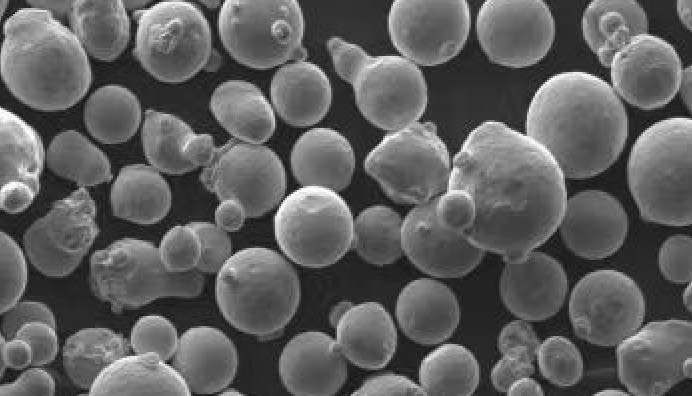
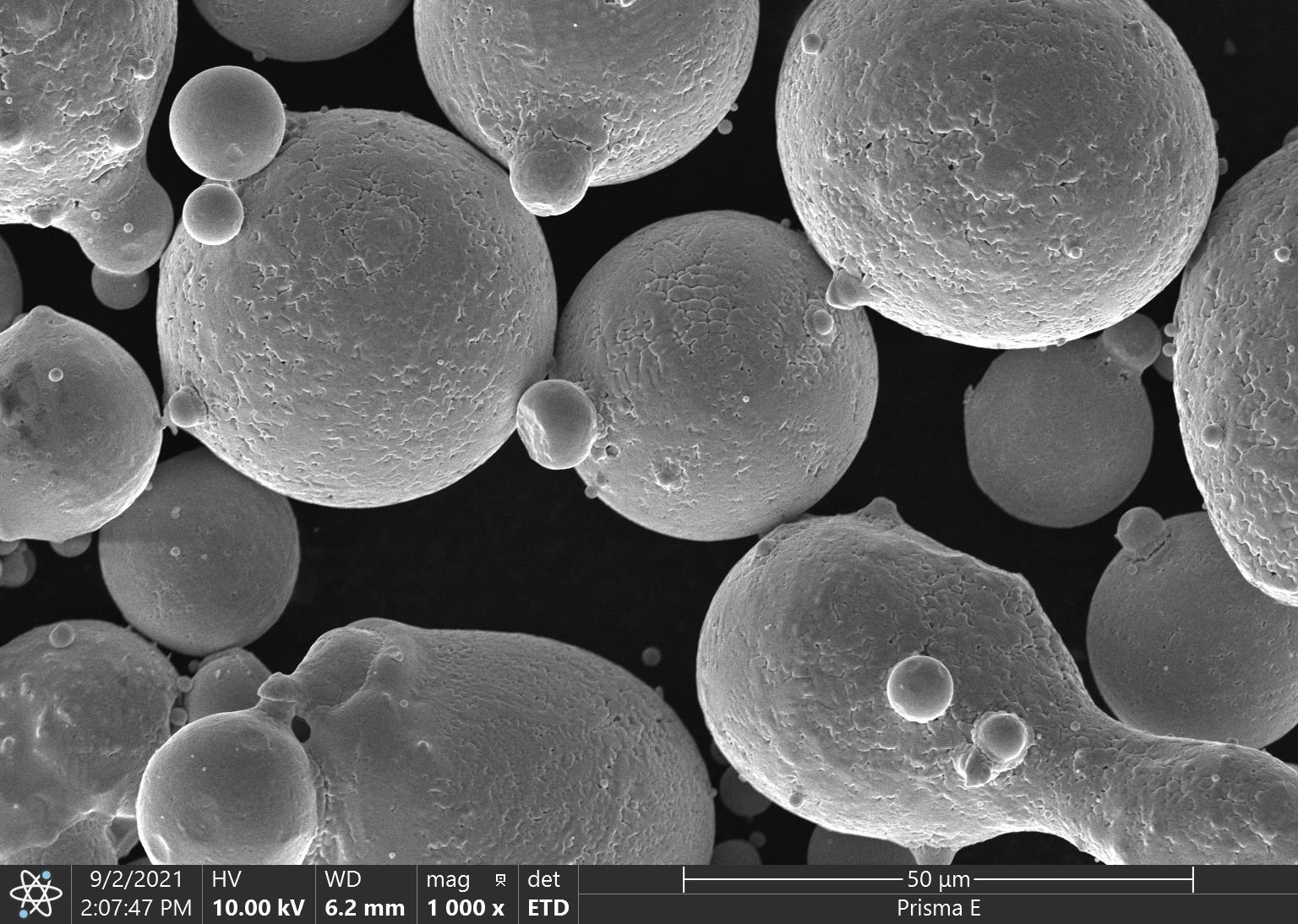
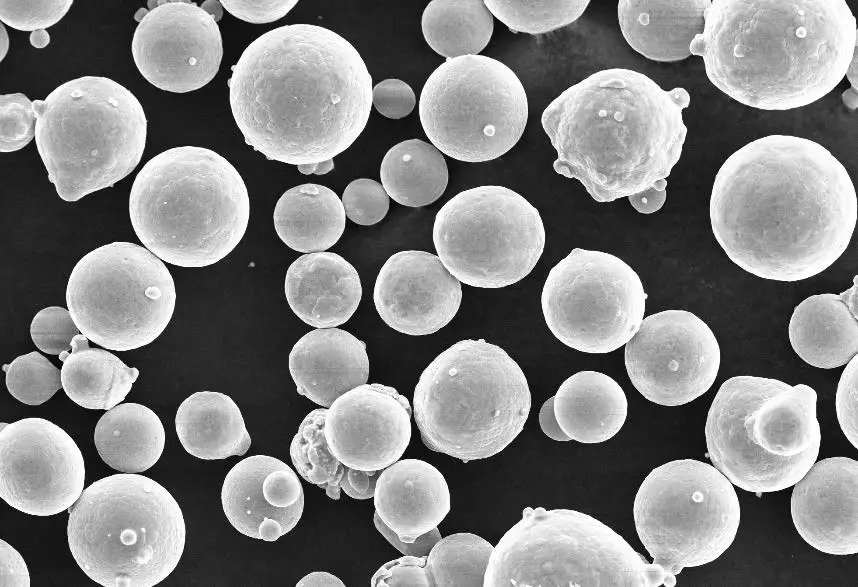
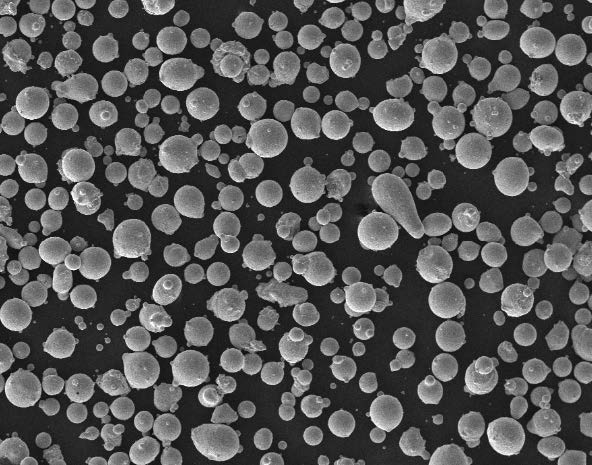
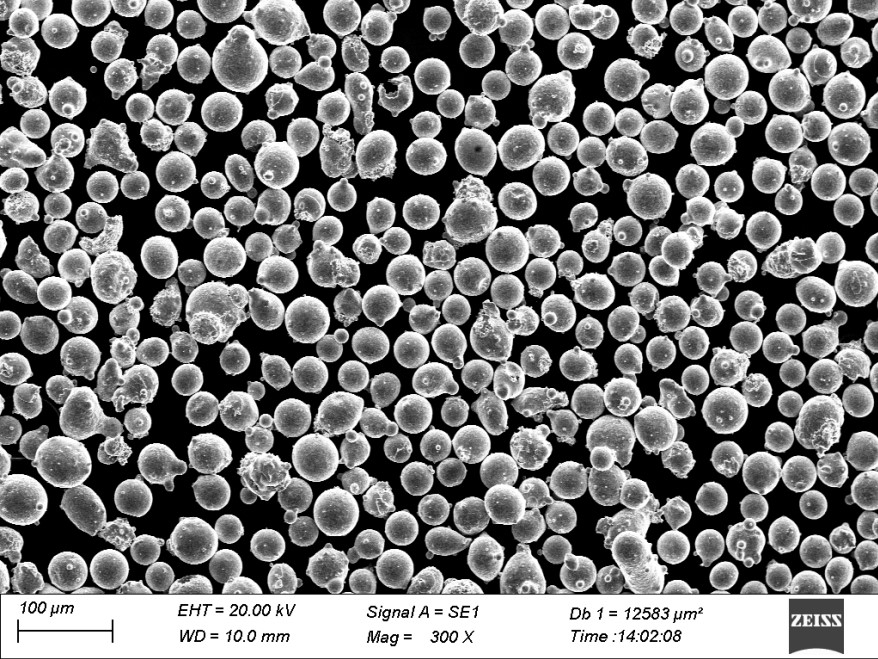
Shanghai Truer offers custom alloy formulations and spherical amorphous powders with controlled particle size distributions (15–53 μm, 45–105 μm, etc.) suitable for various 3D printing platforms. These powders are produced using technologies such as PREP, ensuring high sphericity and minimal satellite particles. Visit Truer’s powder product page for detailed specifications.
Market Trends & Growth Potential for Amorphous Powder
The global amorphous powder market is experiencing rapid expansion, driven by the rising demand for high-performance materials across aerospace, defense, biomedical, and additive manufacturing sectors. According to recent market research reports, the amorphous alloy market is projected to grow at a CAGR of over 7% between 2024 and 2030, with Asia-Pacific emerging as a key hub for manufacturing and supply.
Key Growth Drivers
- Additive Manufacturing Boom: The surge in adoption of 3D printing in aerospace, automotive, and healthcare is pushing the need for specialized powders like amorphous alloys.
- Miniaturization in Electronics: As devices become smaller and more powerful, the demand for EMI shielding and magnetic performance increases.
- Green Energy Initiatives: Amorphous magnetic powders are increasingly used in energy-efficient transformers and motors.
- Medical Innovation: The need for corrosion-resistant, biocompatible materials in implants and surgical tools is on the rise.
Forecasted Market Size (USD Millions)
| Year | Global Market Size | APAC Share (%) |
|---|---|---|
| 2023 | 1,050 | 35% |
| 2025 | 1,300 | 38% |
| 2027 | 1,600 | 41% |
| 2030 | 2,100 | 45% |
The Shanghai Truer team is uniquely positioned to ride this growth wave, offering a full suite of amorphous alloy powders and manufacturing solutions tailored to these fast-growing industries.
Key Factors to Consider When Choosing a Supplier
Selecting the right amorphous powder supplier is crucial for ensuring product consistency, high performance, and regulatory compliance. Here are essential criteria B2B buyers should evaluate:
1. Powder Quality and Consistency
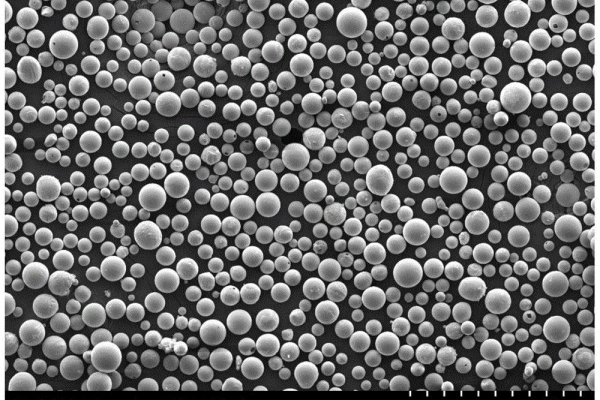
- Sphericity: High sphericity ensures better flowability and packing density.
- Particle Size Distribution (PSD): Uniform PSD leads to consistent layer deposition in AM processes.
- Purity: Low oxygen and nitrogen levels are essential for structural integrity.
2. Manufacturing Technology
- PREP (Plasma Rotating Electrode Process): Produces clean, spherical powders with minimal satellite particles.
- SEBM (Selective Electron Beam Melting): Enables powder customization for specific applications.
Shanghai Truer uses both PREP and SEBM for producing premium amorphous and alloy powders, ensuring high sphericity and low contamination.
3. Technical Support & Customization
- Material Testing: Suppliers should offer powder characterization (SEM, XRD, PSD analysis).
- Alloy Customization: Tailored compositions based on your product or industry needs.
- Certifications: ISO 9001, RoHS, and other industry-specific quality assurances.
4. Logistics and Lead Time
- Global Shipping Capabilities
- Inventory Management
- Fast Turnaround Time
Shanghai Truer provides end-to-end support, from R&D to final product delivery. Their contact page facilitates easy communication for quotes, custom requests, and technical support.
Top 5 Best Suppliers of Amorphous Powder in Asia
The Asia-Pacific region has become a dominant player in the production and export of amorphous powder. Here are five leading suppliers known for quality, reliability, and B2B focus:
| Supplier Name | Country | Strengths | Website |
|---|---|---|---|
| Shanghai Truer Technology Co., Ltd | China | PREP & SEBM tech, custom alloys, R&D services | Visit |
| Hitachi Metals | Japan | Magnetic amorphous metals for electronics and energy | N/A |
| Advanced Technology Materials Co. | China | Specializes in Fe-based amorphous ribbons and powders | N/A |
| POSCO | South Korea | Bulk production of amorphous alloys for industrial uses | N/A |
| Dongguan EONTEC Co., Ltd | China | High-strength bulk metallic glasses, especially Zr-based | N/A |
Shanghai Truer stands out for its ability to offer high-quality, spherical amorphous powders tailored for additive manufacturing. Their strategic partnerships with research institutions and active participation in metal 3D printing innovation centers give them a technological edge.
✅ Tip: For a detailed overview of different powder types and technical specs, explore Truer’s product catalog.
Why More Buyers Are Choosing Alternative Supply Sources
In recent years, industrial buyers have begun shifting from traditional Western powder suppliers to emerging manufacturers in Asia, especially China. Several factors are driving this shift in the B2B procurement ecosystem:
1. Cost-Efficiency
- Lower Manufacturing Costs: Chinese and Southeast Asian manufacturers offer competitive pricing without compromising quality.
- Economies of Scale: High production capacity reduces per-unit cost for bulk orders.
2. Advanced Manufacturing Technologies
- Many Asian suppliers, like Shanghai Truer, have invested in cutting-edge equipment such as:
- PREP (Plasma Rotating Electrode Process): For ultra-clean, spherical powders.
- SEBM (Selective Electron Beam Melting): For customized powder production.
3. Faster Lead Times
- Localized Supply Chains: Shorter delivery cycles, especially within Asia-Pacific.
- Flexible Logistics: Ability to accommodate rush orders and custom packaging.
4. Improved R&D and Customization
- Technologically advanced suppliers now offer:
- Alloy development support.
- Powder parameter optimization for specific AM machines.
- Rapid prototyping services.
5. Regulatory Compliance and Quality Assurance
- Top-tier suppliers provide:
- ISO-certified production.
- Full traceability and documentation.
- In-house testing: SEM, XRD, PSD analysis.
🔍 Example: Shanghai Truer Technology Co., Ltd embodies all these advantages with its vertically integrated solution for amorphous and spherical 3D printing powders.
Why Choose Shanghai Truer as Your Supplier
Shanghai Truer is not just a powder producer — it is a full-service additive manufacturing partner. Established in 2009 and entering the additive manufacturing sector in 2019, the company brings over a decade of engineering experience to the B2B market.
Key Advantages of Partnering with Truer
1. Integrated Equipment & Powder Manufacturing
- Offers both powder production equipment and metal powders.
- Supports customers from lab-scale prototyping to industrial-scale printing.
2. Advanced Technology Platforms
- PREP for high-purity, spherical powders with minimal satellites.
- SEBM for customizable powder properties and specialty alloys.
3. Broad Powder Portfolio
- Titanium alloys: TiNi, TiTa, TiAl, TiNbZr
- Biomedical alloys: CoCrMo
- Nickel alloys: View available products
4. Innovation Ecosystem
- Operates a Joint Innovation Center for Metal 3D Printing.
- Collaborates with top laboratories and university researchers.
- Continuously develops next-generation materials for new applications.
5. Personalized B2B Solutions
- Pre-sales consultation and custom sampling.
- In-house alloy development and testing.
- Post-sales technical support and logistics optimization.
💡 Did You Know? Truer also offers full documentation and compliance support for international shipping, making it easier for global buyers to access high-quality powders.
| Feature | Shanghai Truer Offering |
|---|---|
| In-house R&D | ✅ Yes — with joint innovation center |
| Custom Alloy Design | ✅ Yes — based on application requirements |
| Certification | ✅ ISO-compliant, full traceability |
| Global Logistics | ✅ Ships to North America, EU, and Asia |
| Technical Support | ✅ Full lifecycle support |
How to Order Wholesale Amorphous Powder from Shanghai Truer
Ordering from Shanghai Truer is a streamlined process designed to meet the needs of industrial buyers, distributors, and OEM manufacturers. Here’s how you can get started:
Step-by-Step Ordering Process
Step 1: Product Selection
- Browse the product catalog
- Choose from standard powders or request custom alloy solutions
Step 2: Contact Sales Team
- Reach out via the contact form
- Provide information on:
- Desired alloy composition
- Quantity and preferred particle size
- Intended application (e.g., AM, MIM, coatings)
Step 3: Technical Consultation
- Truer’s engineers will:
- Review application requirements
- Suggest optimal powder composition and particle size range
- Provide technical datasheets and powder characterization reports
Step 4: Quotation and Lead Time
- Receive a detailed quotation including:
- FOB/CIF pricing
- Lead time
- Packaging and shipping options
Step 5: Sample Testing (Optional)
- Request trial samples for performance testing on your equipment
- Evaluate powder properties such as flowability, sphericity, and AM performance
Step 6: Place Bulk Order
- Confirm specifications and place your wholesale order
- Truer offers:
- Batch consistency assurance
- Volume discounts
- Fast logistics coordination
Payment and Shipping Terms
| Term | Details |
|---|---|
| Payment Methods | Bank Transfer (T/T), L/C |
| Minimum Order Quantity | Varies by product (typically 5–10 kg) |
| Delivery Time | 7–15 business days (depending on volume and alloy) |
| Packaging | Vacuum-sealed, anti-static bags |
| Global Delivery | Air freight, sea freight options |
📦 Pro Tip: Ensure your team discusses specific machine compatibility (SLM, EBM, etc.) with Truer’s engineers to receive optimized powder batches.
FAQs: Common Questions About Buying Wholesale Amorphous Powder
Q1: What industries are best suited for amorphous powder?
A: Aerospace, biomedical, electronics, energy, and additive manufacturing benefit most from amorphous powders due to their strength, corrosion resistance, and magnetic properties.
Q2: Can I request custom alloy compositions?
Yes. Shanghai Truer specializes in developing custom alloys for specific engineering applications.
Q3: What particle size ranges are available?
Standard PSD ranges include:
- 15–45 µm: Ideal for SLM
- 45–105 µm: Suitable for EBM and DED
Custom ranges available upon request.
Q4: Are your powders certified?
Yes. Powders are produced under ISO-certified conditions with full traceability and third-party test reports upon request.
Q5: How do I request pricing and samples?
Submit your request via the contact page or email the sales team with your project requirements.
Q6: Can you support international shipping and documentation?
Absolutely. Truer provides global logistics support, export documents, and compliance certifications.
Q7: Where can I learn more about Truer’s additive manufacturing solutions?
You can visit their official blog for insights, technical updates, and industry trends.