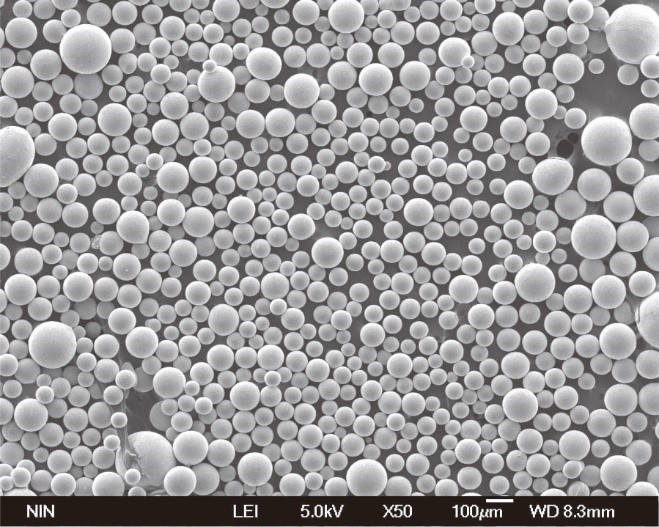
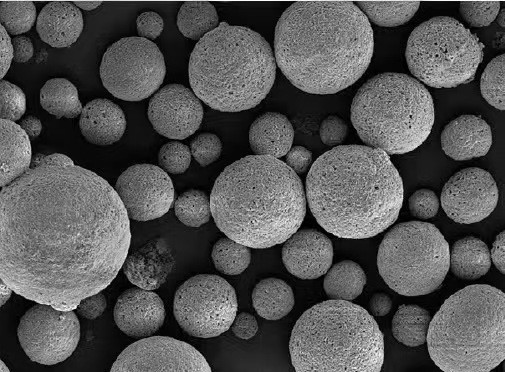
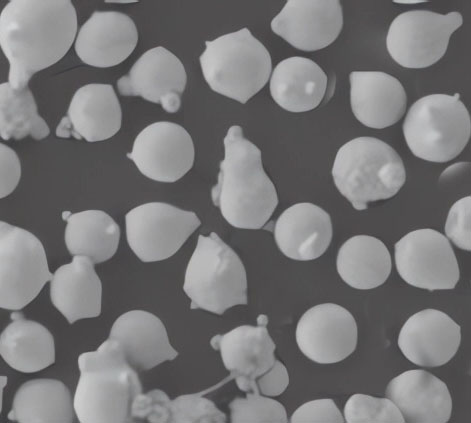
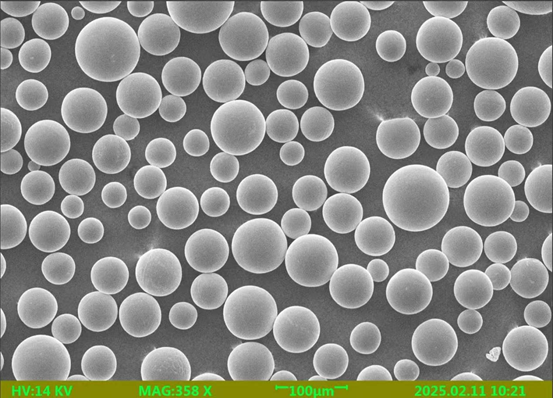
Einführung von Aluminiumlegierungspulver
Aluminum alloy is an alloy composed of aluminum and other elements such as copper, magnesium, zinc, and silicon. Aluminum alloys possess characteristics such as light weight, high strength, good electrical conductivity, and excellent corrosion resistance. Due to these characteristics, aluminium alloys are widely used in various fields, such as aerospace, automotive manufacturing, construction and electronic devices.
Classification of Aluminum Alloy Powder
Aluminum alloy powder are generally classified into two major categories based on whether it can be strengthened through heat treatment:
Heat-treatable aluminum alloy powder:
These alloys can be enhanced in their performance through processes such as heat treatment, quenching and aging. Common series include 2xxx (aluminum-copper alloy), 6xxx (aluminum-magnesium-silicon alloy), 7xxx (aluminum-zinc alloy), etc. These alloys are typically used in applications that require high strength, such as in aerospace and transportation.
Unheat-treatable aluminum alloy powder:
The strength of these alloys is mainly enhanced through work hardening or by adding alloying elements such as manganese and magnesium,
including the 1xxx (pure aluminum), 3xxx (aluminum-manganese alloy), and 5xxx (aluminum-magnesium alloy) series. These materials are commonly used in packaging, construction, and marine applications.
1XXX series of aluminum alloy powder
The 1xxx series of aluminum alloys, also known as pure aluminum series, are characterized by a high aluminum content, typically above 99%. These alloys possess certain specific physical and chemical properties
due to their high purity, making them very useful in specific applications, including electrical wires, food and chemical packaging, heat exchangers & radiators and decorative panel.
1xxx series of aluminum alloy powder including 1050, 1350, 1100,
1199 etc. Grades. Their microstructure of 1xxx series aluminum alloy is mainly composed of pure aluminum crystals. The grains are usually large
With small internal stress. Since there are almost no alloying elements,
there are no significant second phases or strengthening phases in 1xxx
series. Their tensile strength approximately 90 – 130 MPa, depending on
the degree of work hardening.
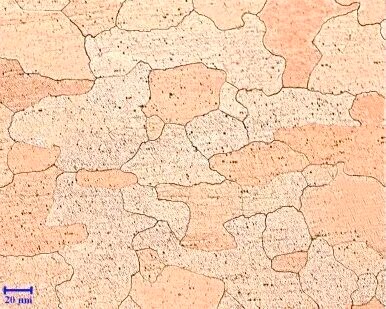
Optical Micrograph of 1050
2XXX series of aluminum alloy powder
The 2xxx series of aluminum alloys, often referred to as Al-Cu alloys,have copper as the main alloying element. This alloy series is renowned for its high strength and excellent mechanical properties,and is particularl suitable for the aerospace, military and sports industry requiring high
strength, good fatigue resistance and moderate corrosion resistance.
Common grades of 2xxx Aluminium alloy powder:
2024: Aluminum-copper-magnesium alloy, containing a small amount of manganese, is one of the most widely used 2xxx series alloys.
2014: Aluminum-copper-silicon-magnesium alloy, suitable for high-temp. applications.
2219: Aluminum-Copper-Vanadium, with excellent high-temp strength
and welding properties.
Their tensile strength approximately 300 – 500 MPa depends on heat treatment process. But they are subject to stress corrosion cracking (SCC) failure due to second phase precipitation.
Their microstructure has some hardening phases, mainly Cu-Al (such as Al2Cu) phase, these second-phase particles are formed through aging treatment, thereby significantly enhancing the strength.
In 2xxx series, the strengthening mechanism include solid solution
strengthening and precipitation strengthening.
Solid solution strengthening: In aluminum alloys, copper mainly exists
in the form of solid solutions within the crystal lattice of aluminum. Solid solution strengthening occurs when copper atoms dissolve in aluminum
matrix. These copper atoms replace the position of some aluminum atoms,thereby slightly disrupting the atomic arrangement of the crystal. This
lattice distortion increases the difficulty of dislocation movement, thereby
enhancing the yield strength and tensile strength of the material.
Precipitation strengthening: The most important strengthening mechanism in the 2xxx series alloys is achieved by forming precipitate phases, which are formed during the aging treatment process. The main precipitate phase is Al2Cu (referred to as the θ phase), which is a metallic compound that is very hard and brittle at the microscale and can effectively hinder the movement of dislocations.
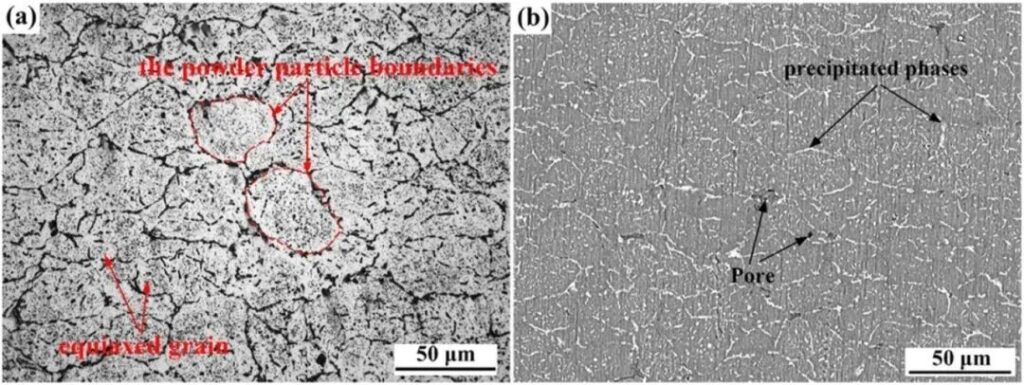
Optical microscopy and SEM images of 2024
3XXX series of aluminum alloy powder
The 3xxx series of aluminum alloys, also known as the Al-Mn series, is a non-heat-treated aluminum alloy that has been strengthened by adding manganese. This alloy series is widely used in various fields due to its excellent corrosion resistance, machinability, and moderate strength, including construction, chemical processing, heat exchanger and kitchenware industry.
Common grades of 3xxx Aluminium alloy powder:
3003: The most commonly used 3xxx series aluminum alloy, containing approximately 1.2% manganese.
3004: It contains a higher content of manganese and magnesium than 3003, enhancing its strength. It is commonly used for making cans.
3105: Contains slightly increased manganese and magnesium content than 3004, used for manufacturing construction materials and vehicle components.
Their tensile strength is usually ranging from 145 to 290 MPa.
4XXX series of aluminum alloy powder
The 4xxx series of aluminum alloys are mainly composed of an alloying element of silicon. This alloy series is particularly suitable for welding materials and castings where excellent heat resistance and wear resistance are required. The addition of silicon significantly lowers the melting point of aluminum, enhances its fluidity, and also improves its wear resistance.
Common grades of 4xxx Aluminium alloy powder:
4043: The silicon content is approximately 5%, and it is one of the most commonly used welding alloys.
4047: The silicon content is as high as 12%, and it is usually used to manufacture high-performance pistons and other mechanical components.
Microstructure of 4xxx Aluminium alloy powder:
It mainly include matrix phase and strengthening phase with silica particles, usually in a dispersed form, these silica particles provide a certain strengthening effect, increasing the hardness and wear resistance of the material.
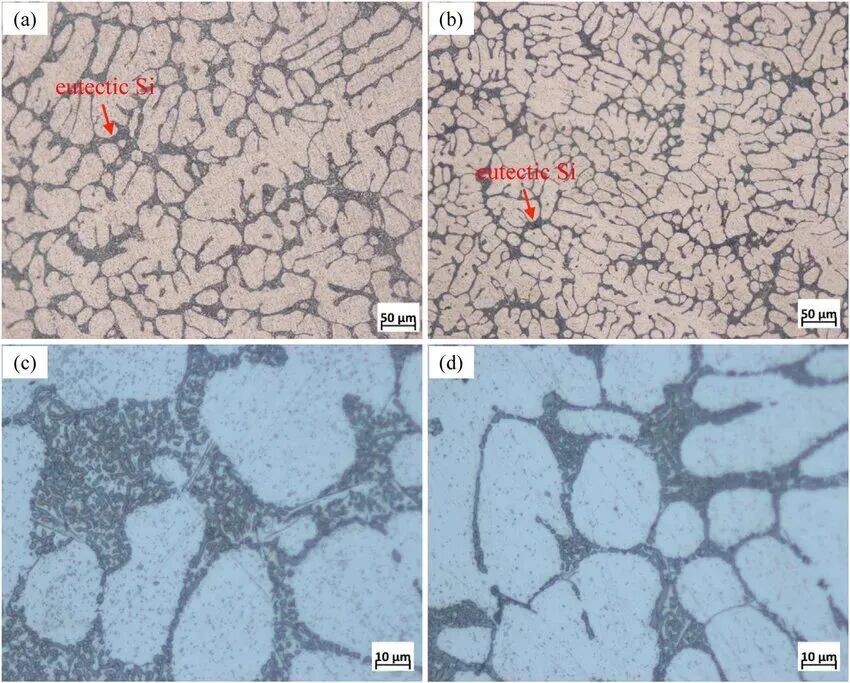
Optical microscopy and SEM images of 4043
Their tensile strength are approximately 100 to 350 MPa, depending on the specific alloy composition and heat treatment status. They are easy to thermal cracking due to the occurrence of Si.
5XXX series of aluminum alloy powder
The 5xxx series of aluminum alloys mainly consist of magnesium as the alloying element. It is widely regarded as an alloy with excellent corrosion resistance, high strength, and good welding performance. These characteristics make the 5xxx series alloys particularly suitable for use in marine environments, transportation applications and architecture requiring high corrosion resistance.
Common grades of 5xxx Aluminium alloy powder:
5052: Contains approximately 2.5% magnesium and is widely used in the manufacturing of ship and vehicle components.
5083: Contains 4.0% – 4.9% magnesium. It is one of the strongest non-heat-treated aluminum alloys and is commonly used in ships and other high-strength applications.
5754: Contains about 3% magnesium and has excellent weldability. It is commonly used in the automotive industry.
6XXX series of aluminum alloy powder
The 6xxx series of aluminum alloys is a widely used type of aluminum alloy, mainly composed of magnesium and silicon as the main alloying elements. This series of alloys possesses excellent mechanical properties, outstanding corrosion resistance, and remarkable ductility, making it a popular choice for construction, automotive, and aerospace applications.
Common grades of 6xxx Aluminium alloy powder:
6061: Contains approximately 1.0% magnesium and 0.6% silicon. It is one of the most commonly used 6xxx series alloys and is widely employed in structural applications.
6063: Contains about 0.45% – 0.9% magnesium and approximately 0.2% – 0.6% silicon. It is widely used in building profiles and window frames and has excellent surface treatment properties.
6082: Contains approximately 0.6% – 1.2% magnesium and about 0.7% – 1.3% silicon. It has slightly more magnesium and silicon than 6061, and is commonly used in applications requiring higher strength.
Microstructure of 6xxx Aluminium alloy powder:
It mainly include matrix phase and strengthening phase with Mg2Si precipitates, usually in a dispersed form, formed during the aging treatment of the alloys, significantly enhancing the mechanical properties of the alloys.
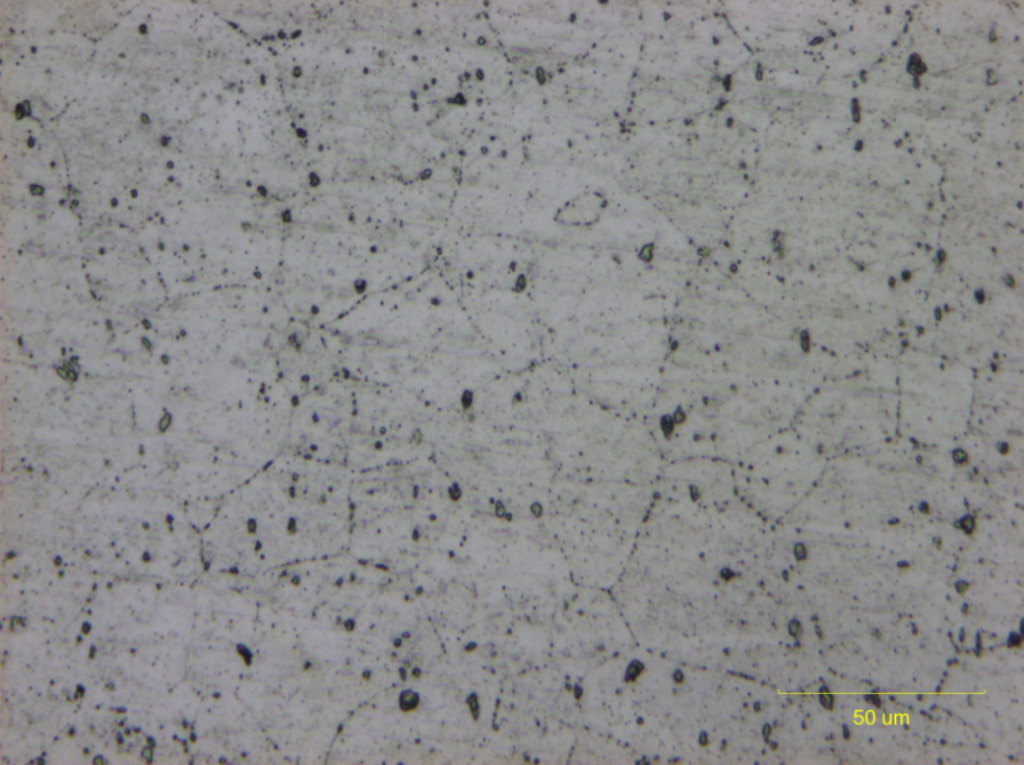
Optical microscopy of 6061
Their tensile strength are approximately 240 to 320 MPa, depending on the specific alloy composition and heat treatment status. They are easy to Stress Corrosion Cracking (SCC).
7XXX series of aluminum alloy powder
The 7xxx series of aluminum alloys is a high-strength aluminum alloy series, mainly composed of zinc as the main alloying element. It usually also contains magnesium and copper, which gives these alloys excellent mechanical properties and good fatigue resistance. These characteristics make the 7xxx series aluminum alloys particularly popular in the aerospace and military fields.
Common grades of 7xxx Aluminium alloy powder:
7075: Contains approximately 5.6% zinc, 2.5% magnesium, and 1.6% copper. It is the most renowned alloy in the 7xxx series and is widely used due to its excellent overall performance.
7068: Considered to be the strongest commercial aluminum alloy, it contains approximately 8.4% zinc, 2.85% magnesium, and 1.2% copper. It offers higher strength and better wear resistance.
7050: Contains approximately 6.2% zinc, 2.3% magnesium, and 2.3% copper. It is used in the aerospace industry and has excellent resistance to stress corrosion cracking.
Microstructure of 7xxx Aluminium alloy powder:
It mainly include matrix phase and strengthening phase, including MgZn2 (ζ phase) and Al2CuMg (Σ phase).
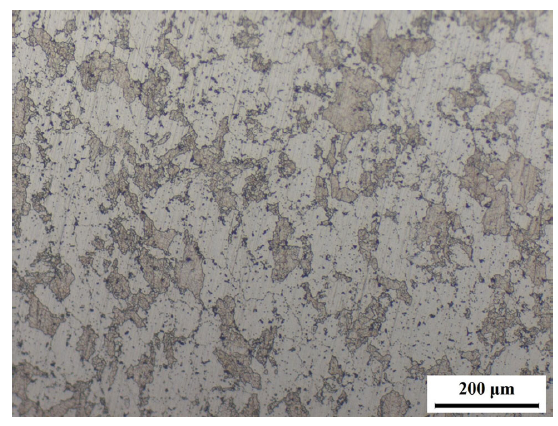
Optical microscopy of 7075
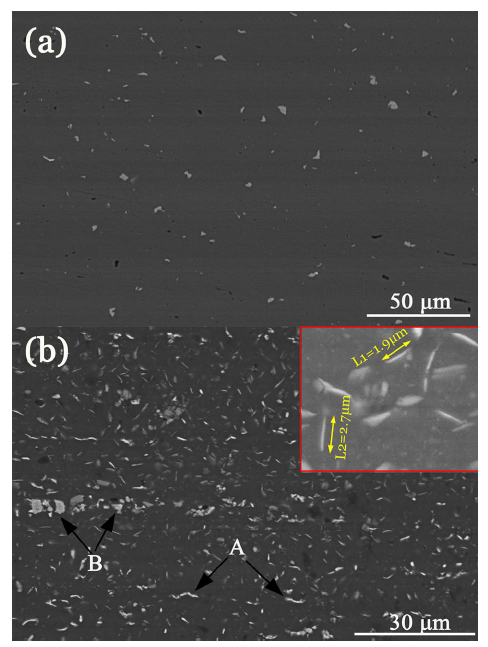
SEM image of 7075
Their tensile strength are approximately 500 to 700 MPa. They are susceptible to Stress Corrosion Cracking (SCC).