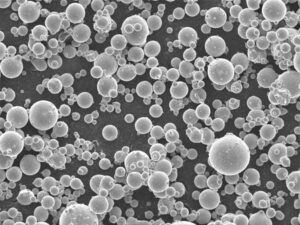
Spheroidization Powder
Welcome to the ultimate guide on spheroidization powder! If you’re looking to delve into the world of metal powders, you’ve landed at the right place. In this article, we’ll explore

Welcome to the ultimate guide on spheroidization powder! If you’re looking to delve into the world of metal powders, you’ve landed at the right place. In this article, we’ll explore
Overview of Diffusion Alloy Powder Diffusion alloy powder is a specialized material used extensively in various industries, from automotive to aerospace, due to its unique properties and capabilities. This powder
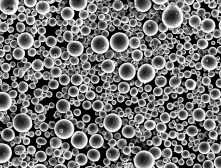
Overview of Bonded Powder Bonded powder, a key material in various industrial applications, is produced by bonding fine metal particles together, often using a binder or through mechanical means. This
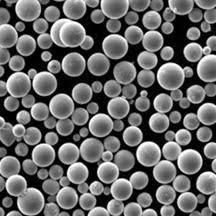
Low-alloy steels powder is a vital material in modern manufacturing, offering a blend of versatility and strength that makes it a preferred choice for a wide range of applications. From
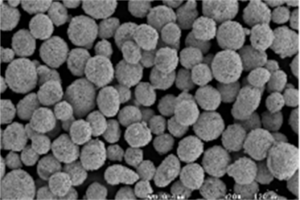
Welcome to the fascinating world of dual-phase alloy powder! Whether you’re a materials scientist, an engineer, or just someone curious about advanced materials, this guide is designed to inform, teach,
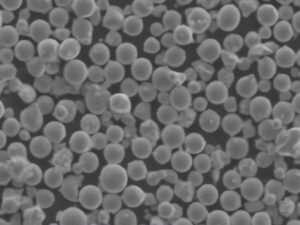
High purity iron powder is a crucial material in various industries, known for its exceptional quality and performance. In this extensive guide, we’ll delve into everything you need to know
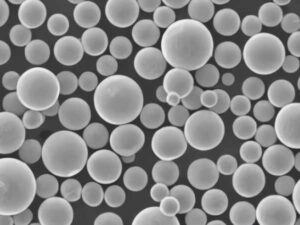
Overview of Advanced Materials Advanced materials are the cutting-edge of material science, comprising high-performance substances designed to meet the rigorous demands of modern technology and industrial applications. These materials exhibit
Overview Plasma atomisation is a highly advanced process for producing metal powders with exceptional quality and consistency. This technique utilizes a high-energy plasma torch to melt and atomize metal feedstock
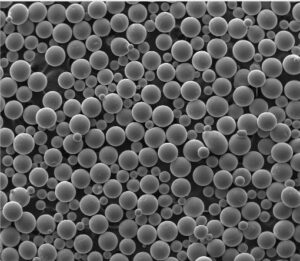
Overview Minor gas-trapped pores powders, often referred to as metal powders, are crucial in various industrial applications. These powders are characterized by tiny gas pockets trapped within their structure, affecting
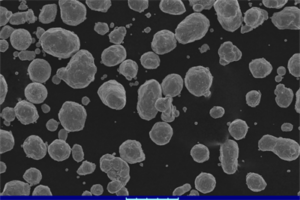
Overview of Electrode Induction Melting Inert Gas Atomisation (EIGA) Electrode Induction Melting Inert Gas Atomisation, or EIGA, is a state-of-the-art process for producing high-quality metal powders used in various industries,
Welcome to the ultimate guide on spheroidization powder! If you’re looking to delve into the world of metal powders, you’ve landed at the right place. In this article, we’ll explore
Overview of Diffusion Alloy Powder Diffusion alloy powder is a specialized material used extensively in various industries, from automotive to aerospace, due to its unique properties and capabilities. This powder
Overview of Bonded Powder Bonded powder, a key material in various industrial applications, is produced by bonding fine metal particles together, often using a binder or through mechanical means. This
Low-alloy steels powder is a vital material in modern manufacturing, offering a blend of versatility and strength that makes it a preferred choice for a wide range of applications. From
Welcome to the fascinating world of dual-phase alloy powder! Whether you’re a materials scientist, an engineer, or just someone curious about advanced materials, this guide is designed to inform, teach,
High purity iron powder is a crucial material in various industries, known for its exceptional quality and performance. In this extensive guide, we’ll delve into everything you need to know
Overview of Advanced Materials Advanced materials are the cutting-edge of material science, comprising high-performance substances designed to meet the rigorous demands of modern technology and industrial applications. These materials exhibit
Overview Plasma atomisation is a highly advanced process for producing metal powders with exceptional quality and consistency. This technique utilizes a high-energy plasma torch to melt and atomize metal feedstock
Overview Minor gas-trapped pores powders, often referred to as metal powders, are crucial in various industrial applications. These powders are characterized by tiny gas pockets trapped within their structure, affecting
Overview of Electrode Induction Melting Inert Gas Atomisation (EIGA) Electrode Induction Melting Inert Gas Atomisation, or EIGA, is a state-of-the-art process for producing high-quality metal powders used in various industries,
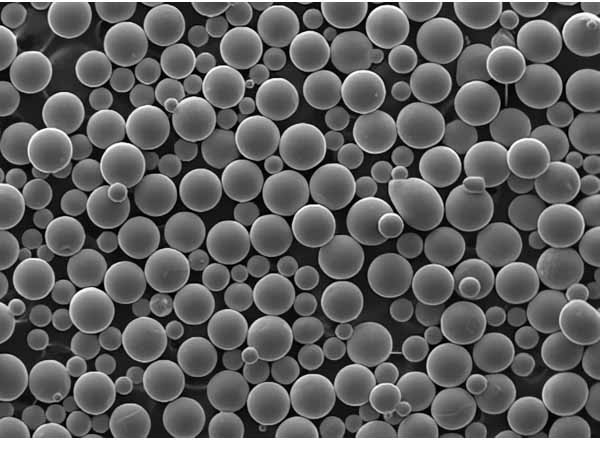
Introduction: Why 1.2709 Powder Matters in Additive Manufacturing 1.2709 powder, also known as maraging steel 1.2709, is a high-strength, low-carbon martensitic steel alloy that is widely used in additive manufacturing
The influence of powder morphology on the magnetic properties of FeNi50 magnetic powder cores Introduction The FeNi50 magnetic powder core is a new generation of soft magnetic material formed by
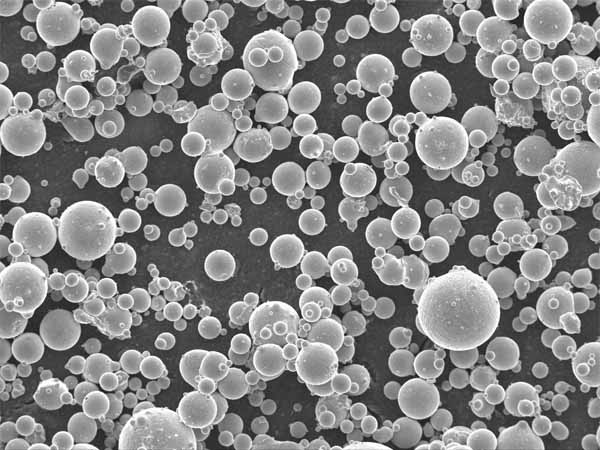
Introduction: The Rise of Tribaloy in Modern Manufacturing Tribaloy powder is increasingly recognized as a high-performance material in the fields of metal additive manufacturing, wear-resistant coatings, and thermal spraying. Known
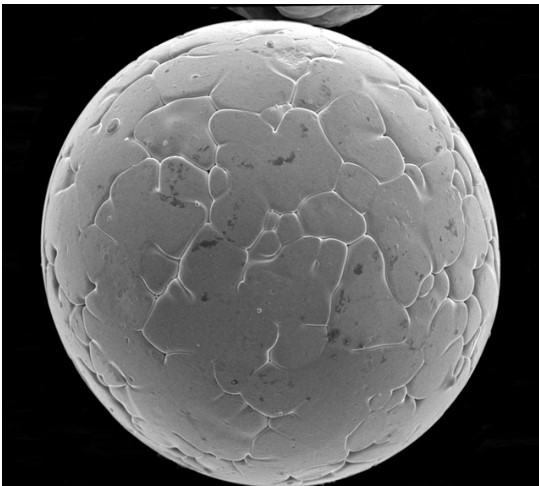
Additive Manufacturing with Invar 36 Alloy Introduction Invar 36 (4J36)(FeNi36) alloy is classified as a low expansion alloy and a precision alloy. Due to its extremely low coefficient of thermal
