Kurzantwort
Cobalt chromium molybdenum dental powder is a pre-alloyed spherical metal feedstock used mainly in laser powder bed fusion to produce crowns, bridges, copings, bars, and removable partial denture frameworks. It is widely chosen because it combines high stiffness, strong corrosion resistance in the oral environment, dependable thin-wall printability, and good post-processing response. For dental laboratories and metal AM manufacturers, it is often the best fit when dimensional stability, repeatable fit, and durable framework strength matter more than low part weight.
What Is cobalt chromium molybdenum dental powder
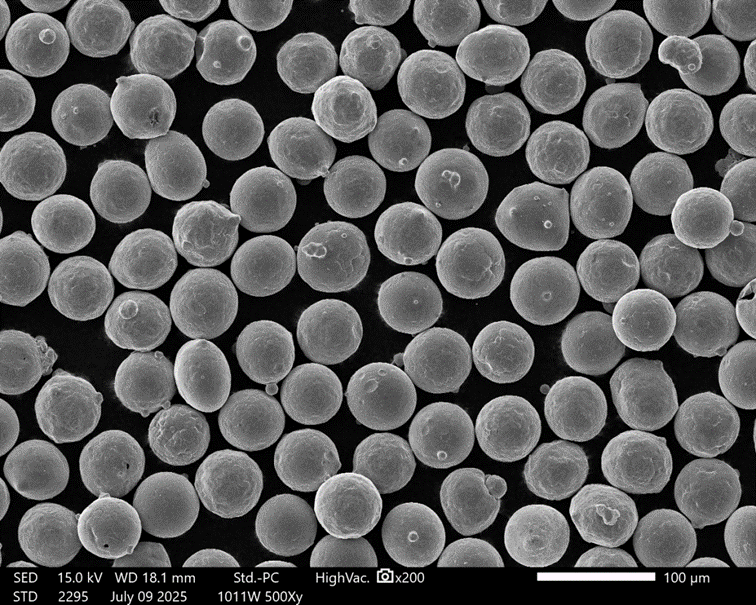
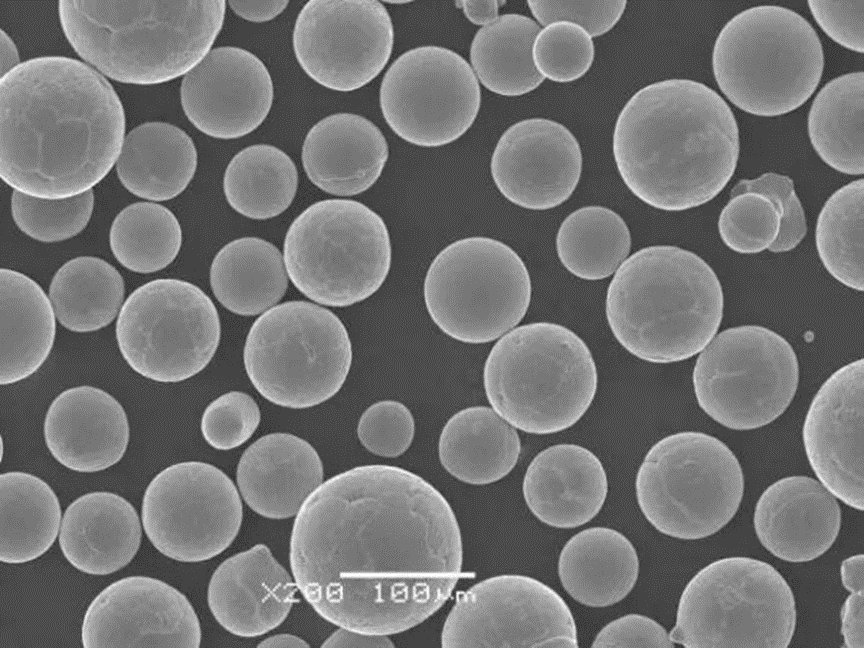
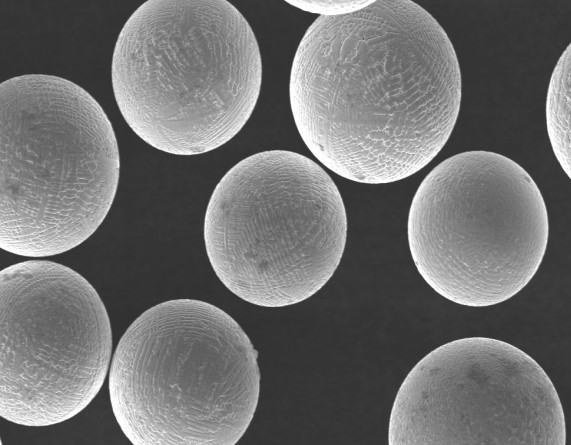
Cobalt chromium molybdenum dental powder refers to a cobalt-based alloy powder engineered for dental additive manufacturing and related powder-processing routes. In most commercial supply chains, it belongs to the broader Co-Cr-Mo alloy family associated with biomedical, dental, and wear-resistant applications. For AM, the powder is usually supplied in a highly spherical morphology so it can spread evenly, absorb laser energy consistently, and support dense layer-by-layer consolidation.
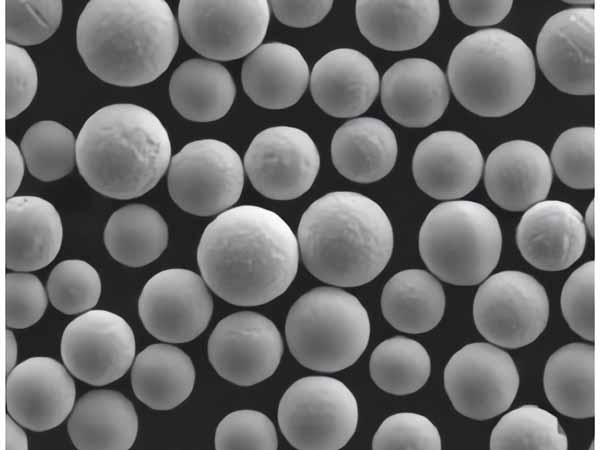
Cobalt chromium molybdenum dental powder in the cobalt alloy family
Within the wider landscape of metal AM materials, this alloy sits in the cobalt-based segment rather than the titanium, stainless steel, nickel, or aluminum categories. Its base element is cobalt, while chromium provides passivation and corrosion resistance and molybdenum contributes strength and resistance to localized attack. Readers comparing broader cobalt alloy powder grades will find that dental CoCrMo is one of the most mature alloy systems for small, precision, patient-specific metal parts.
Why this alloy became important in digital dentistry
Dental restorations demand more than strength alone. Frameworks must retain shape under bite force, survive an aggressive wet environment, allow fine-feature production, and tolerate finishing operations such as blasting, support removal, grinding, and polishing. Those requirements helped CoCrMo move from a casting-centric history into digital manufacturing, where its rigidity and corrosion resistance remain relevant while AM improves repeatability and geometric control.
How AM-grade powder differs from conventional dental alloy feedstock
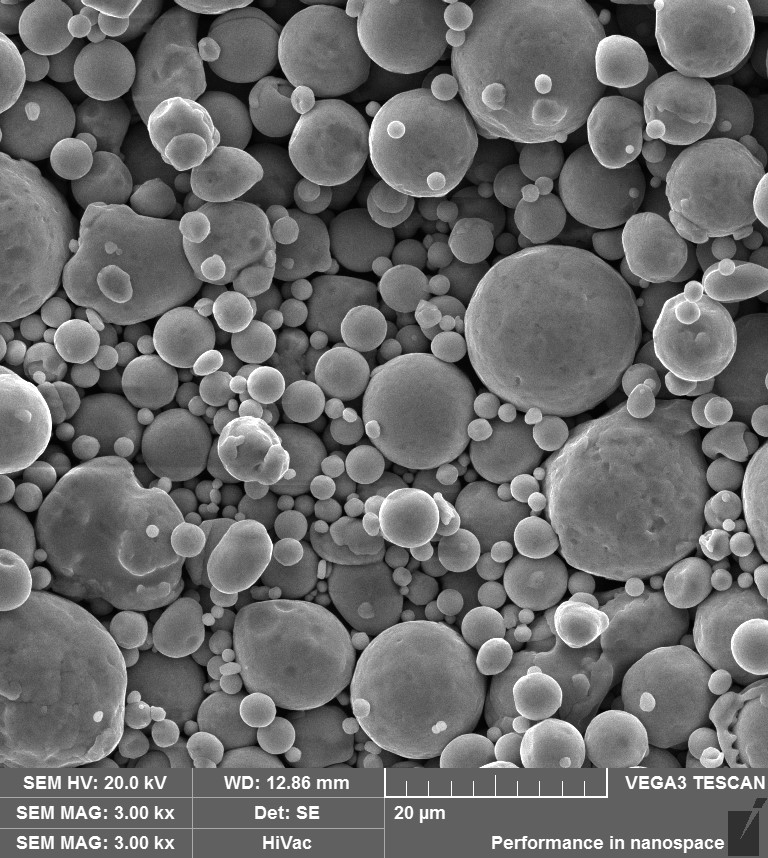
Not every cobalt-chromium-molybdenum alloy is suitable for additive manufacturing. Cast ingots or coarse powders may share a similar nominal chemistry yet behave very differently in a printer because particle shape, particle size distribution, oxygen level, and satellite content affect recoating and melt-pool stability. AM-grade powder is therefore defined by both chemistry and powder behavior.
Key characteristics that make the alloy distinct
The material is known for a high elastic modulus, high hardness potential, good wear resistance, and stable corrosion behavior in saliva-like conditions. Compared with many lighter alloys, it resists flexure better in thin framework sections. Compared with generic steels, it offers a more established dental pedigree and a more corrosion-focused alloy design.
In dental metal AM, powder quality determines whether the digital workflow ends in repeatable fit or repeated rework.
Chemische Zusammensetzung
The chemistry of cobalt chromium molybdenum dental powder usually follows the familiar cobalt-28 chromium-6 molybdenum family, though exact limits vary by supplier, internal specification, and whether the grade is aimed at dental LPBF, medical engineering, or other precision uses. In dental AM, alloy chemistry cannot be viewed separately from powder cleanliness because oxygen, residuals, and melting history influence the final build response. The composition below reflects typical industry ranges rather than a single proprietary certificate.
| Element | Typical Content (wt%) | Common Limit / Range (wt%) | Primary Metallurgical Role | Relevance in Dental AM |
|---|---|---|---|---|
| Kobalt (Co) | Bilanz | Bilanz | Base matrix, hot strength, wear support | Provides stiffness and structural backbone |
| Chrom (Cr) | 27.0–30.0 | 26.0–30.0 | Passive-film formation, oxidation and corrosion resistance | Improves long-term oral-environment stability |
| Molybdän (Mo) | 5.0–7.0 | 5.0–7.0 | Solid-solution strengthening, pitting resistance | Supports strength and localized corrosion resistance |
| Kohlenstoff (C) | 0.02–0.25 | 0.35 max typical | Carbide formation, hardness control | Influences hardness-ductility balance |
| Silizium (Si) | 0.2–1.0 | 1,0 max | Deoxidation and melt processing support | Affects cleanliness and processing stability |
| Mangan (Mn) | 0.1–1.0 | 1,0 max | Deoxidation and alloy processing support | Helps maintain metallurgical consistency |
| Eisen (Fe) | 0.1–0.75 | 0.75 max typical | Residual element control | Excess can reduce corrosion-focused performance |
| Nickel (Ni) | Spurensuche | 0.5 max typical | Residual control, often minimized | Managed for chemistry stability and end-use consistency |
| Phosphorus / Sulfur | Spurensuche | Very low, product specific | Impurity control | Lower levels support toughness and cleanliness |
The role of chromium in cobalt chromium molybdenum dental powder
Chromium is the main corrosion-resistance driver in this alloy system. It promotes formation of a protective passive surface film that helps the metal resist saliva, food acids, temperature swings, and cleaning chemicals encountered in service. That corrosion-focused design is one reason cobalt-chromium-molybdenum alloys are frequently discussed alongside the [ASTM F75 cobalt-chromium-molybdenum alloy specification] for surgical implant materials, even when a dental AM powder is purchased under a supplier’s own production specification.
Molybdenum as a strength and corrosion modifier
Molybdenum does more than raise strength. It also helps the alloy resist localized corrosion phenomena that can occur in chloride-containing environments, which is relevant in oral conditions. In thin connectors and high-stress areas of dental frameworks, that contribution supports durable performance.
Carbon and carbide control
Carbon is one of the most sensitive elements in the system because it affects carbide content and therefore hardness, wear response, and ductility. In moderation, carbides can support strength and abrasion resistance, but excess carbide formation can reduce elongation and make delicate features less forgiving. AM users should therefore read carbon values together with heat-treatment practice rather than in isolation.
Residuals, interstitials, and powder cleanliness
Residual elements such as iron, sulfur, and phosphorus are kept low to preserve alloy consistency. Oxygen is especially important in powder because elevated oxygen can change flow behavior, surface condition, and fusion response. For this reason, Reinheit des Pulvers is not simply a laboratory metric; it is part of print process control.
Physikalische und mechanische Eigenschaften
The attraction of cobalt chromium molybdenum dental powder comes from the balance of high modulus, strong tensile performance, corrosion resistance, and good edge retention in fine structures. Final part properties vary with machine platform, laser parameters, scan strategy, layer thickness, orientation, support density, and heat treatment. Even so, the property window below captures the typical performance space expected from properly processed CoCrMo dental builds.
| Eigentum | Typischer Wert | Einheit | Typical Test Standard / Basis |
|---|---|---|---|
| Dichte | 8.2–8.5 | g/cm³ | Typischer Legierungsbereich |
| Solidustemperatur | 1,280–1,350 | °C | Typischer Legierungsbereich |
| Liquidustemperatur | 1,350–1,450 | °C | Typischer Legierungsbereich |
| Endgültige Zugfestigkeit | 900–1,350 | MPa | Printed and heat-treated typical range |
| Streckgrenze | 600–1,000 | MPa | Printed and heat-treated typical range |
| Dehnung beim Bruch | 3–12 | % | Build and heat-treatment dependent |
| Härte | 300–450 | HV | Typical finished range |
| Elastischer Modul | 190–230 | GPa | Typical cobalt alloy range |
| Wärmeleitfähigkeit | 12–18 | W/m-K | Typischer Raumtemperaturbereich |
Why modulus matters as much as tensile strength
In dentistry, structures often fail functionally before they fail catastrophically. A bridge framework or removable partial denture clasp that deflects too much may perform poorly even if its ultimate strength remains high. The relatively high modulus of CoCrMo is therefore one of its key design advantages over lighter alloys.
Hardness and finishing behavior
As-built parts are often hard enough to demand disciplined finishing steps. Support removal, stress relief, blasting, and polishing must be sequenced carefully so that the final surface quality improves without compromising fit. In return, the alloy offers good shape retention and wear resistance in thin edges and contact zones.
Thermal behavior during printing
Compared with highly conductive copper alloys or low-melting aluminum alloys, CoCrMo behaves as a relatively stable high-temperature engineering alloy in LPBF. Its thermal conductivity is moderate, which helps explain why scan strategy and hatch overlap still matter for residual stress management. Consistent layer thickness and uniform powder spread are critical because small thermal imbalances are amplified in thin dental geometries.
Property variation between coupons and real parts
Published values often come from standard test bars, while dental restorations are usually smaller, thinner, and more geometrically complex. Cooling rates differ between a tensile coupon and a multi-unit bridge or bar, which can shift microstructure and residual stress state. That is why high rigidity should be verified at the application level, not inferred solely from a datasheet.
Technische Daten und verfügbare Güteklassen
For procurement, the most useful specification is not just “CoCrMo” but a complete powder definition covering particle size distribution, morphology, flowability, density metrics, oxygen control, and intended process route. Dental laser powder bed fusion typically favors fine, narrow distributions that can support thin layers and clean edge reproduction. Suppliers may also separate grades for LPBF, DED, cladding, or general engineering use.
| Klassenstufe / Anmeldeformular | Typical PSD (µm) | Scheinbare Dichte (g/cm³) | Tap Density (g/cm³) | Hall Flow (s/50 g) | Sauerstoffgehalt | Sphericity / Standards Cross-Reference |
|---|---|---|---|---|---|---|
| Ultra-Fine Dental LPBF | 10-30 | 4.2–4.8 | 4.8–5.5 | 13–20 | Low, product specific | Very high; internal spec aligned to AM requirements |
| Standard Dental LPBF | 15-45 | 4.3–4.9 | 4.9–5.6 | 12–19 | Low, product specific | High; common choice for crowns and frameworks |
| General Fine AM Grade | 15-53 | 4.2–4.8 | 4.8–5.5 | 13–20 | Low, product specific | High; broader LPBF usability |
| DED / Verkleidungsgüte | 45-105 | 4.5–5.2 | 5.1–5.9 | 11–17 | Product specific | High; usually too coarse for detailed dental LPBF |
| Coarse Engineering Grade | 53-150 | 4.6–5.3 | 5.2–6.0 | 10–16 | Product specific | Good; intended for non-dental bulk applications |
| Cross-Reference Grade Set | Product specific | Test method based | Test method based | Test method based | Product specific | May reference ASTM / ISO / GB / DIN or supplier spec |
Fine AM powder for dental detail resolution
Dental builds usually benefit from powder cuts such as 10–30 µm or 15–45 µm because those ranges support thin recoated layers and finer contour response. A broader distribution can still print successfully, but contour sharpness, thin-wall consistency, and surface finish may not be as favorable in high-detail cases. In production practice, the ideal range depends on machine optics, recoater system, and parameter development.
Standards and cross-reference language
There is no single universal dental AM powder standard that replaces all supplier qualification work. Instead, users often combine chemistry references, powder test methods, and additive manufacturing terminology in their material files. Technical language for process classification is commonly aligned with the [ISO/ASTM 52900 terminology for additive manufacturing], while supplier quality documents may cross-reference ISO, ASTM, GB, or DIN requirements depending on the market served.
Flowability, packing, and layer quality
Apparent density, tap density, and Hall flow do not directly guarantee successful printing, but they are practical indicators of whether the powder will spread well. Fine powders must strike a balance between flowability and feature resolution; if they are too irregular or too oxidized, recoating stability suffers. For dental LPBF, consistent bed formation is essential because a single defective layer can distort small frameworks.
Stock form considerations
Some suppliers hold more than one cobalt-based grade for different end uses, while others specialize in a narrower LPBF offering. Buyers comparing with titanium powder product options oder iron-based metal powder lines should recognize that dental CoCrMo has tighter demands on feature fidelity than many general industrial powders.
Herstellungsprozess
The way cobalt chromium molybdenum dental powder is made strongly affects powder shape, surface condition, internal porosity, satellite content, and lot-to-lot consistency. Gas atomization remains the mainstream production route, but PREP, VIGA, and EIGA are also relevant in high-quality AM powder manufacturing. Each route offers a different trade-off among sphericity, oxygen control, throughput, and cost.
| Prozess | Sphärizität | Oxygen Pickup Risk | PSD-Steuerung | Durchsatz | Relative Kosten | Typical Fit for Dental CoCrMo |
|---|---|---|---|---|---|---|
| Gaszerstäubung (GA) | Hoch | Low with inert atmosphere | Gut bis sehr gut | Hoch | Mäßig | Mainstream route for dental LPBF powder |
| PREP | Sehr hoch | Niedrig | Mäßig | Gering bis mäßig | Hoch | Premium route for ultra-spherical powder |
| VIGA | Hoch | Very low to low | Gut bis sehr gut | Mäßig | Mäßig bis hoch | Clean melt handling for precision AM supply |
| EIGA | Hoch bis sehr hoch | Sehr niedrig | Gut | Mäßig | Hoch | Specialty route for high-cleanliness powder |
| Wasserzerstäubung | Gering bis mäßig | Höher | Mäßig | Hoch | Niedrig | Usually unsuitable for dental LPBF detail work |
Gas atomization for cobalt chromium molybdenum dental powder
In gas atomization, a molten alloy stream is broken into droplets by high-velocity inert gas, and those droplets solidify into mostly spherical particles. After atomization, the powder is sieved or classified into the desired size cut. For dental AM, GA is widely preferred because it delivers a practical balance of morphology, availability, industrial output, and controllable cost.
PREP and very high sphericity
Plasma Rotating Electrode Process uses a rotating alloy electrode whose tip is melted by plasma, ejecting droplets that solidify into highly spherical particles. This route often yields lower satellite content and excellent flow behavior. The drawback is lower throughput and higher production cost, which means PREP is often reserved for applications where morphology benefits outweigh price pressure.
VIGA and EIGA in premium powder production
Vacuum induction gas atomization and electrode induction gas atomization emphasize cleaner atmosphere management and controlled melting conditions. These routes can be advantageous for powders where contamination sensitivity is high and strict metallurgical control is required. In dental manufacturing, they are most relevant when the user prioritizes repeatability, low oxygen pickup, and tightly managed batch consistency.
Process trade-offs beyond the equipment name
A premium process name alone does not ensure superior print results. Sieve strategy, post-atomization handling, packaging, and contamination control all influence how the powder performs in real production. According to [NIST guidance on powder characterization for additive manufacturing], parameters such as size distribution, morphology, and chemistry must be interpreted together rather than as isolated numbers.
Anwendungen nach Branche
Although cobalt chromium molybdenum dental powder is named for dental use, the underlying alloy family is relevant across multiple advanced manufacturing sectors. The dental version is typically optimized for high-detail LPBF, but the same metallurgy connects to broader engineering uses that demand corrosion resistance, strength, and wear performance.
Dental laboratories and restorative manufacturing
This remains the core application area. The powder is used for crowns, copings, bridges, full-arch bars, and removable partial denture frameworks where high stiffness and repeatable fit are critical. Digital workflows benefit because multiple custom parts can be nested in one build, reducing variability associated with conventional casting steps.
Medical and biomedical engineering
Co-Cr-Mo alloys have a long history in biomedical materials science. Even when a specific powder is supplied for dental restorations rather than orthopedic implants, the underlying alloy family is familiar to engineers working on corrosion-resistant medical components. That shared metallurgical heritage explains why material documentation often uses language borrowed from implant-grade alloy references.
Tooling and wear-focused components
Outside dentistry, cobalt-based alloys are used for small wear parts, specialty fixtures, and prototypes where hardness and corrosion resistance are valuable. Fine dental-grade powder may not be the most economical choice for large industrial components, but it can still be useful in trial builds that require detailed geometry and smooth powder spreading. In contrast, applications demanding high-temperature creep resistance may shift toward nickel superalloy powder categories rather than cobalt dental alloys.
Aerospace, energy, and industrial R&D
The precise dental grade is not the default material for mainstream aerospace structures, yet cobalt-chromium-molybdenum metallurgy remains relevant in specialized engineering development. Research groups may study it for wear-critical or corrosion-resistant components, especially where fine geometric control is needed. In broader AM portfolios that also include copper, titanium, and refractory powders, CoCrMo occupies the high-rigidity, corrosion-focused niche rather than the lightweight or thermal-conductivity niche.
Vergleich mit alternativen Materialien
Selecting a dental AM powder requires more than comparing price per kilogram. Engineers and technicians must weigh modulus, strength, corrosion resistance, surface finishing response, density, and printer compatibility. Cobalt chromium molybdenum dental powder remains a leading choice for rigid frameworks, but alternative materials may be preferable in lighter or less demanding applications.
| Material | Dichte (g/cm³) | Typisches Leistungsniveau | Printability in LPBF | Korrosionsbeständigkeit | Relative Kosten | Typical Best-Fit Use |
|---|---|---|---|---|---|---|
| cobalt chromium molybdenum dental powder | 8.2–8.5 | Hoch | Sehr gut | Hoch | Mäßig | Crowns, bridges, bars, RPD frameworks |
| Ti-6Al-4V-Pulver | 4.4–4.5 | Hoch | Gut | Ausgezeichnet | Hoch | Lightweight medical and implant-related parts |
| 316L-Edelstahlpulver | 7.9–8.0 | Mäßig | Ausgezeichnet | Sehr gut | Moderate to low | General prototyping and corrosion-resistant parts |
| CoCrW dental alloy powder | 8.3–8.7 | Hoch | Gut bis sehr gut | Hoch | Mäßig bis hoch | Variant dental frameworks and rigid structures |
| Ni-based superalloy powder | 8.1–8.5 | High, especially at temperature | Gut | Hoch | Hoch | Heat-resistant industrial parts, not routine dental work |
CoCrMo versus titanium
Titanium is lighter and has excellent biomedical relevance, but it is less stiff than CoCrMo. That lower modulus can be advantageous in some designs yet less desirable in frameworks where flexural rigidity is critical. For dental structures where deformation control matters, Formstabilität is one of CoCrMo’s strongest arguments.
CoCrMo versus 316L stainless steel
316L prints very well and is often easier to process in general industrial AM. However, it is less associated with long-standing dental framework use than CoCrMo and typically offers a different balance of hardness and rigidity. Stainless steel may be attractive for cost-sensitive prototyping, but CoCrMo remains the more application-specific material for dental metal substructures.
CoCrMo versus other cobalt alloys
Not all cobalt alloys behave identically. Tungsten-containing variants can shift wear behavior, density, and hardness, while differences in carbon and residual control can change ductility and finishing response. For that reason, buyers should compare certified properties and powder metrics rather than assuming every cobalt-chrome alloy is interchangeable.
Unser Unternehmen
Shanghai Truer Technology Co., Ltd was established in 2009 and created its additive manufacturing business in 2019. Operating am-printing.com, the company states that it integrates 3D printing powder-making equipment and services with spherical metal powder supply, including CoCrMo, TiNi, TiTa, TiAl, TiNbZr, nickel-based, cobalt-based, titanium-based, copper-based, aluminum-based, and stainless steel powders. Its published technical scope includes Selective Electron Beam Melting equipment, Plasma Rotating Electrode Process powder-making equipment, and gas atomization capabilities, along with services for SLM, SEBM, DED, laser cladding, powder metallurgy, MIM, HIP, cold and hot spraying, welding, and coating. The company also describes a joint innovation center for metal 3D printing with laboratories and experts, and its corporate profile is summarized on the manufacturer background page.
FAQ
Q1. Is cobalt chromium molybdenum dental powder biocompatible enough for dental restorations?
The alloy family has a long history in dental and biomedical use, but suitability depends on the exact grade, manufacturing route, and the regulations that apply in the destination market. In practice, buyers should evaluate not only nominal chemistry but also powder cleanliness, traceability, and the qualification route used for the final restoration. Finished-part validation matters more than chemistry alone.
Q2. What particle size is best for cobalt chromium molybdenum dental powder in LPBF?
Fine distributions such as 10–30 µm or 15–45 µm are commonly preferred for dental laser powder bed fusion. They generally support thinner layers, better contour definition, and improved reproduction of small features. The ideal cut still depends on the printer optics, recoater type, and validated process window.
Q3. Why is cobalt chromium molybdenum dental powder often preferred over casting alloy in digital workflows?
Additive manufacturing reduces several process variables associated with conventional casting, including wax pattern distortion, investment behavior, and casting shrinkage uncertainty. It also allows many customized parts to be built in a single digitally controlled job. For laboratories prioritizing repeatability and throughput, that can translate into more consistent fit.
Q4. Can cobalt chromium molybdenum dental powder be recycled after printing?
Yes, but only under controlled powder-handling rules. Users typically sieve the powder, remove spatter-related contamination, monitor oxygen trends, and blend reclaimed material with virgin powder according to a validated internal limit. Reuse without documentation can gradually reduce consistency in fine dental geometries.
Q5. How does cobalt chromium molybdenum dental powder compare with titanium for removable partial denture frameworks?
CoCrMo is denser than titanium, but it also offers higher stiffness, which helps maintain geometry in thin sections and clasped structures. Titanium’s lower weight and strong biomedical reputation can be advantageous in other contexts, yet framework rigidity often keeps CoCrMo in a leading role for this application. The design intent should determine the alloy choice.
Q6. What should buyers verify before ordering cobalt chromium molybdenum dental powder?
They should confirm chemistry, particle size distribution, oxygen level, apparent density, tap density, Hall flow, morphology, packaging condition, and intended AM process route. It is also important to verify whether the material is qualified specifically for dental LPBF rather than supplied as a broader industrial cobalt alloy powder. Batch consistency and machine compatibility are usually just as important as the nominal alloy name.